Pantomime
-
Radim Vizváry
Flauto traverso
-
Jana Semerádová
Viola da gamba
-
Hana Fleková
Cembalo
-
Jiří Havrlant
Direction
-
Magdaléna Švecová
Light design
-
Michal Horáček
Costume
-
Roman Šolc
„Passions succeeded one another on his face; in it one could make out tenderness, anger, joy and sorrow — one could tell the piano from the forte…“
La Pantomime (Pièces de clavecin en concerts, Concert No. 4)
La Marais (from Pièces de clavecin en concerts, Concert No. 5)
La Cupis (Pièces de clavecin en concerts, Concert No. 5)
La Forqueray
Air tendre (Les Fêtes d'Hébé)
Air pour la Rose (Les Indes galantes)
Gavottes pour les Heures et les Zéphirs (Les Boréades)
Le Rappel des Oiseaux ("The Birds' Call", Nouvelle Suite)
Air de la Folie "Aux langueurs d'Apollon" (Platée RCT 53)
La Poule ("The Hen", Nouvelle Suite)
Sommeil ("Sleep", Dardanus)
Les Sauvages (Les Indes galantes)
Tambourin I&II (Pièces de clavecin en concerts, Concert No. 3)
Air "Tristes apprêts" (Castor et Pollux)
— Denis Diderot
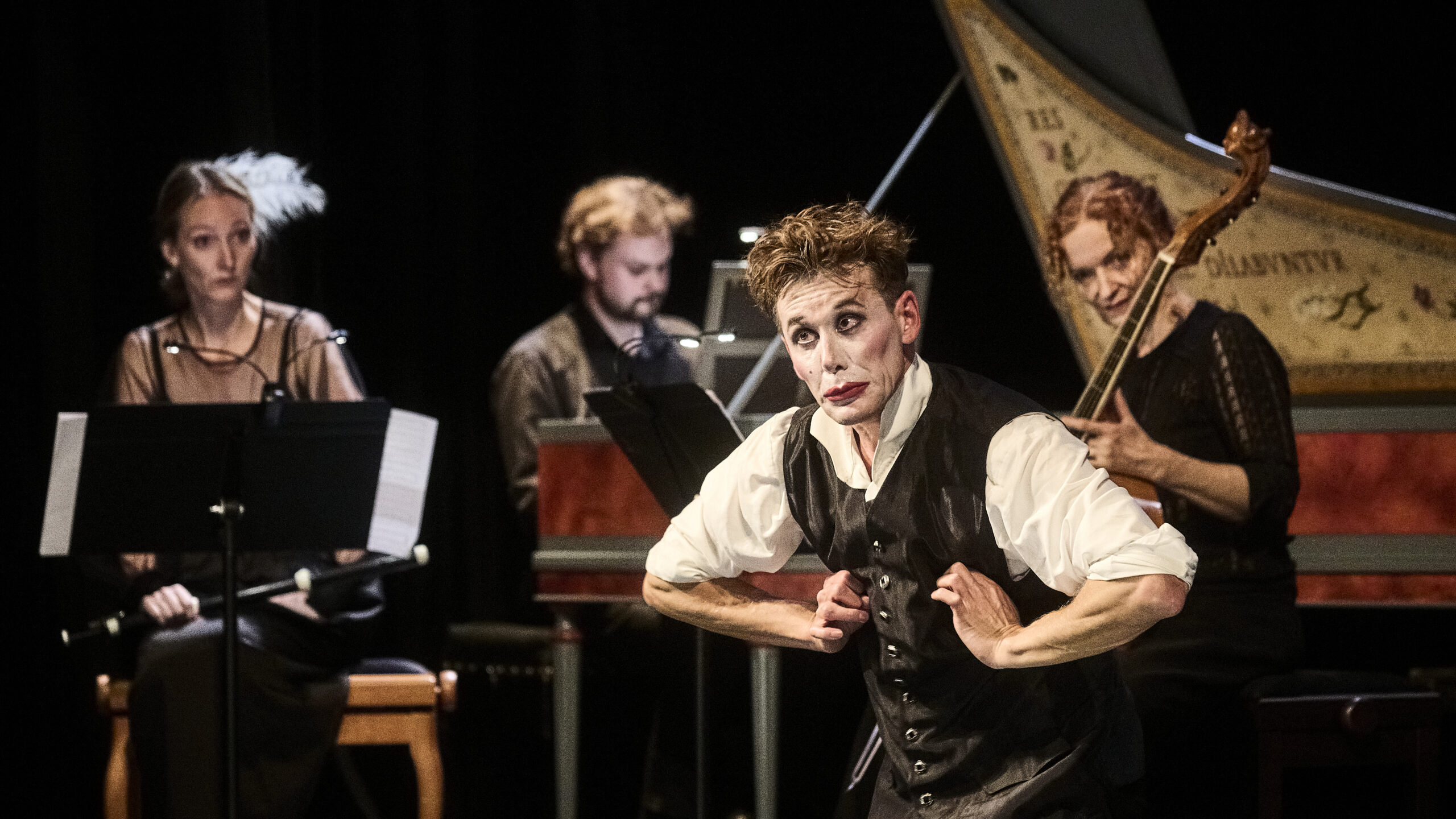
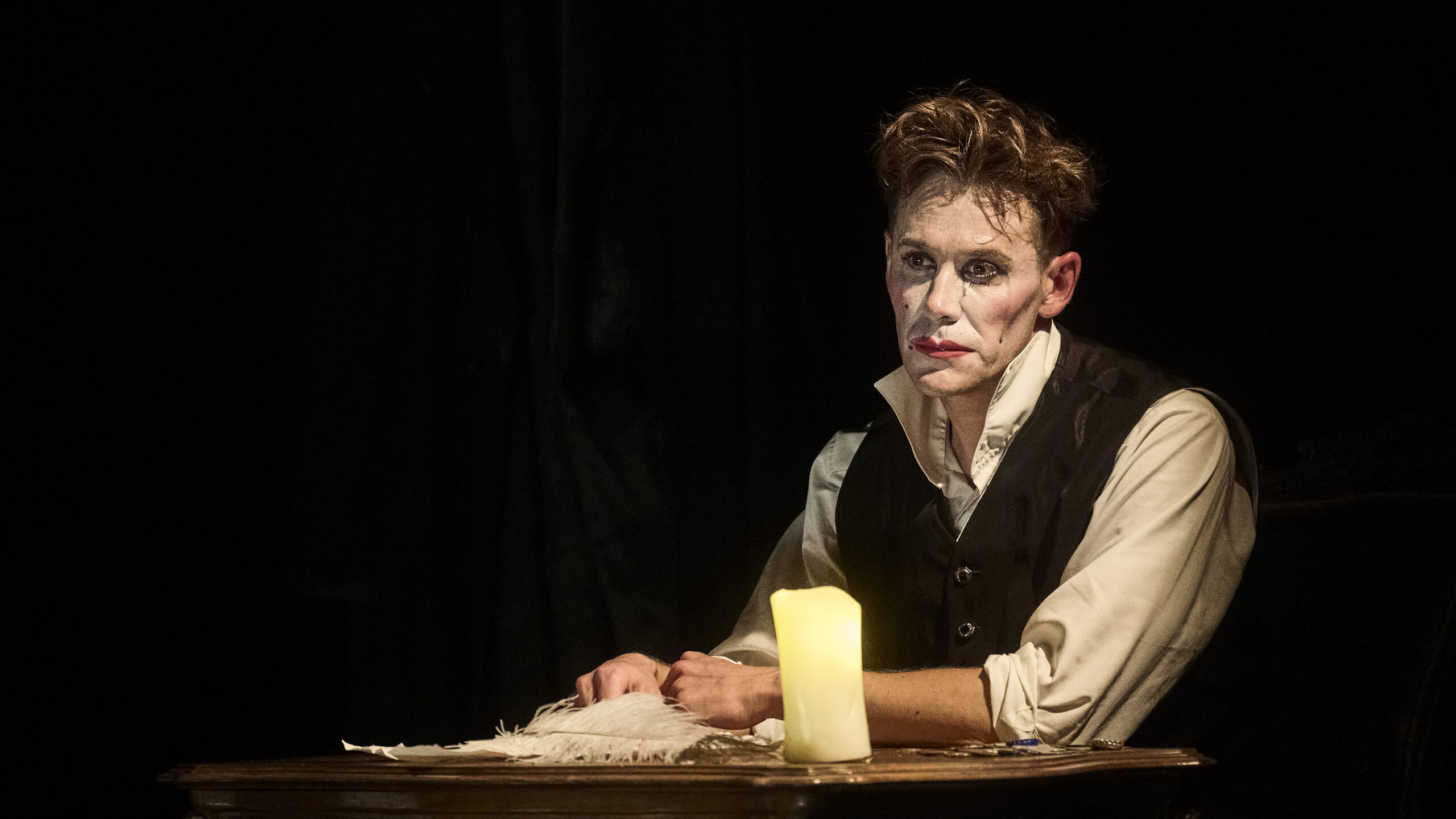
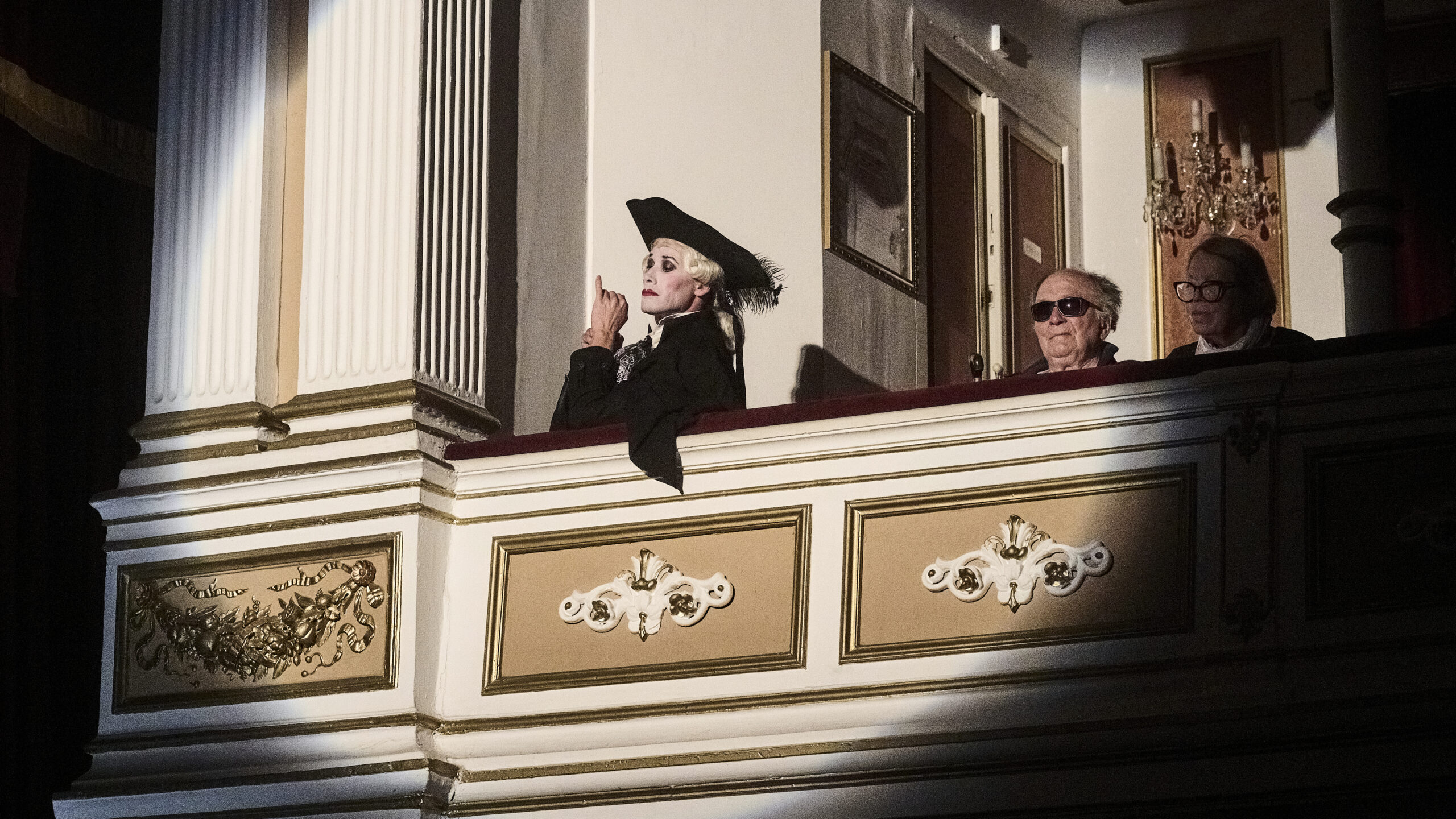
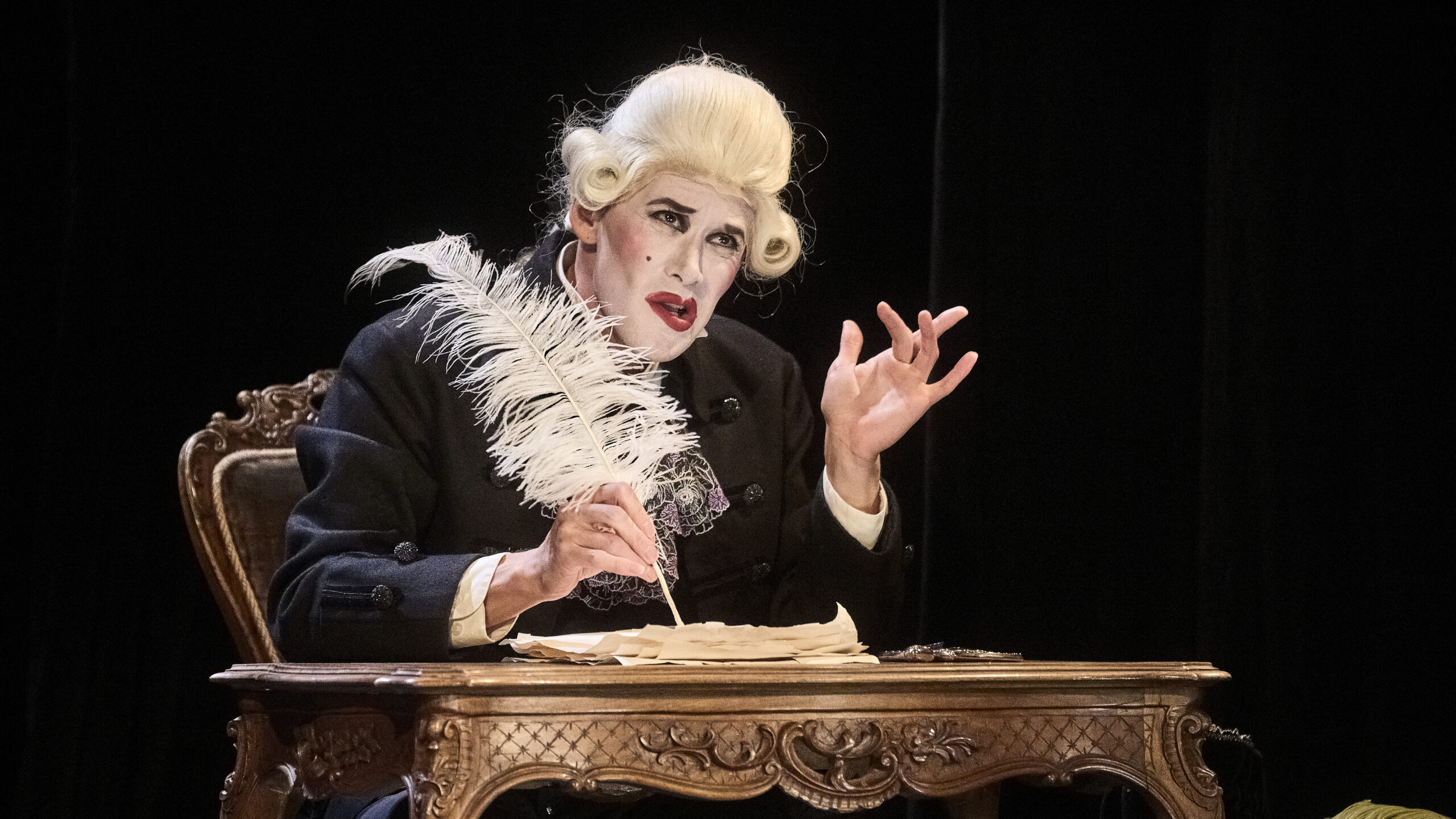
Jean-Philippe Rameau was a genius who did not fit his own time. He provoked with his music, his opinions, his conduct and his appearance; he courted disputes and refused to bend to social convention. Yet his work reached beyond the boundaries of his era and still speaks to us centuries later. It is the personality of this exceptional and, in his own way, solitary artist that forms the starting point of the music-theatre project La Rameau.
Rameau's music is dance-like, theatrical and full of emotion. His pieces move between the grotesque and the melancholic, tenderness and explosiveness, virtuosity and silence. His musical characters, moods and affects open naturally onto movement and mime.
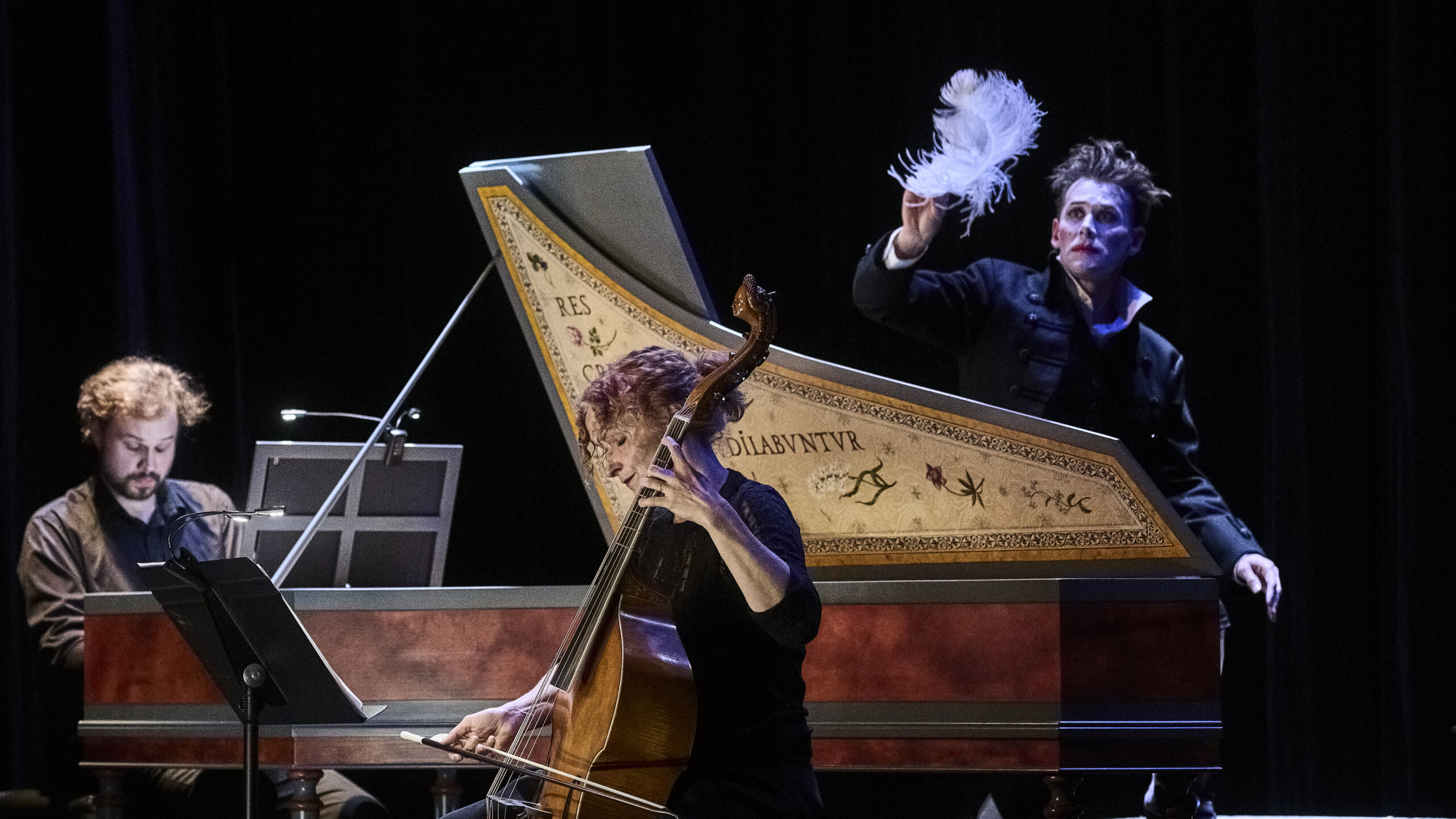
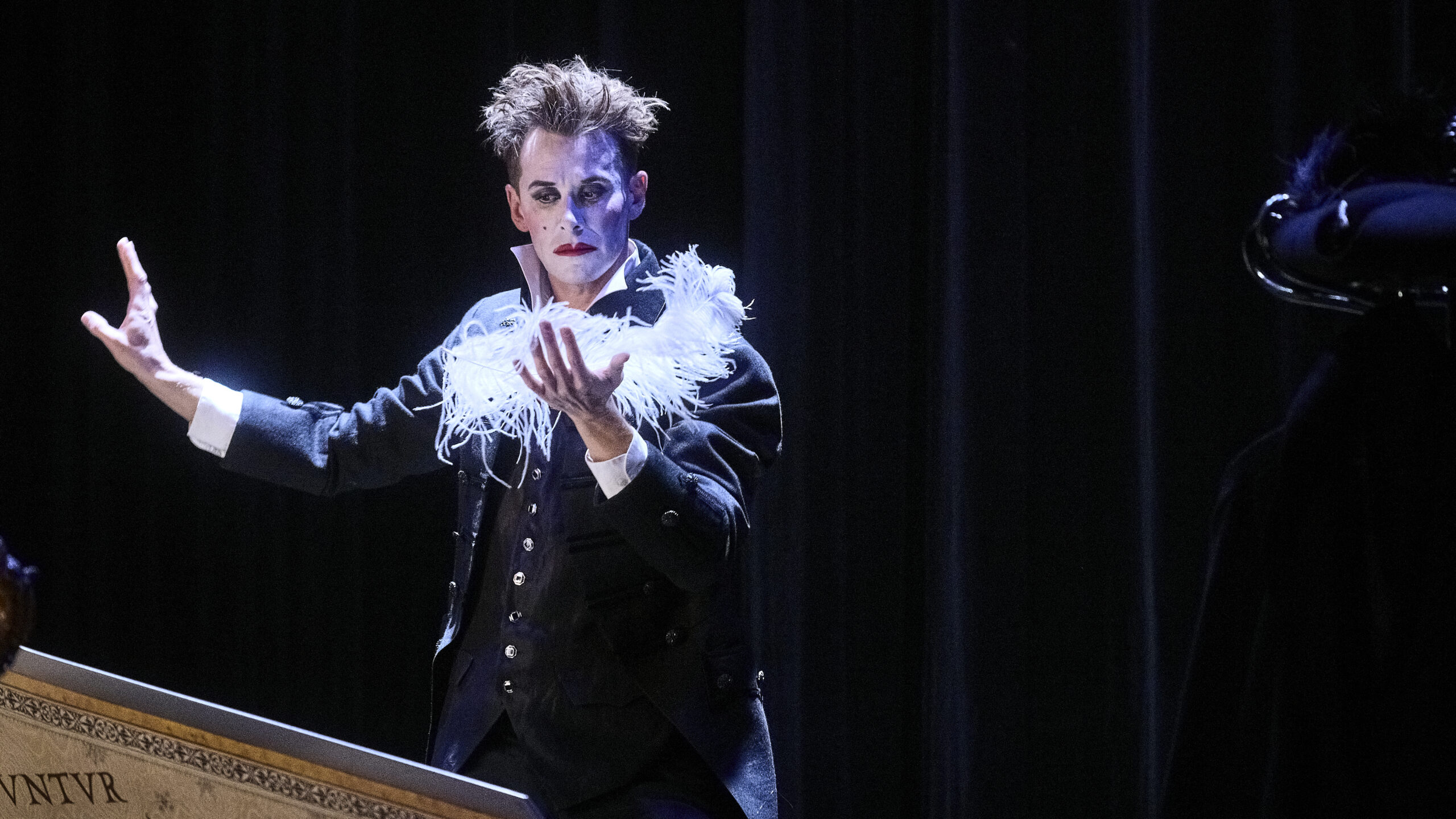
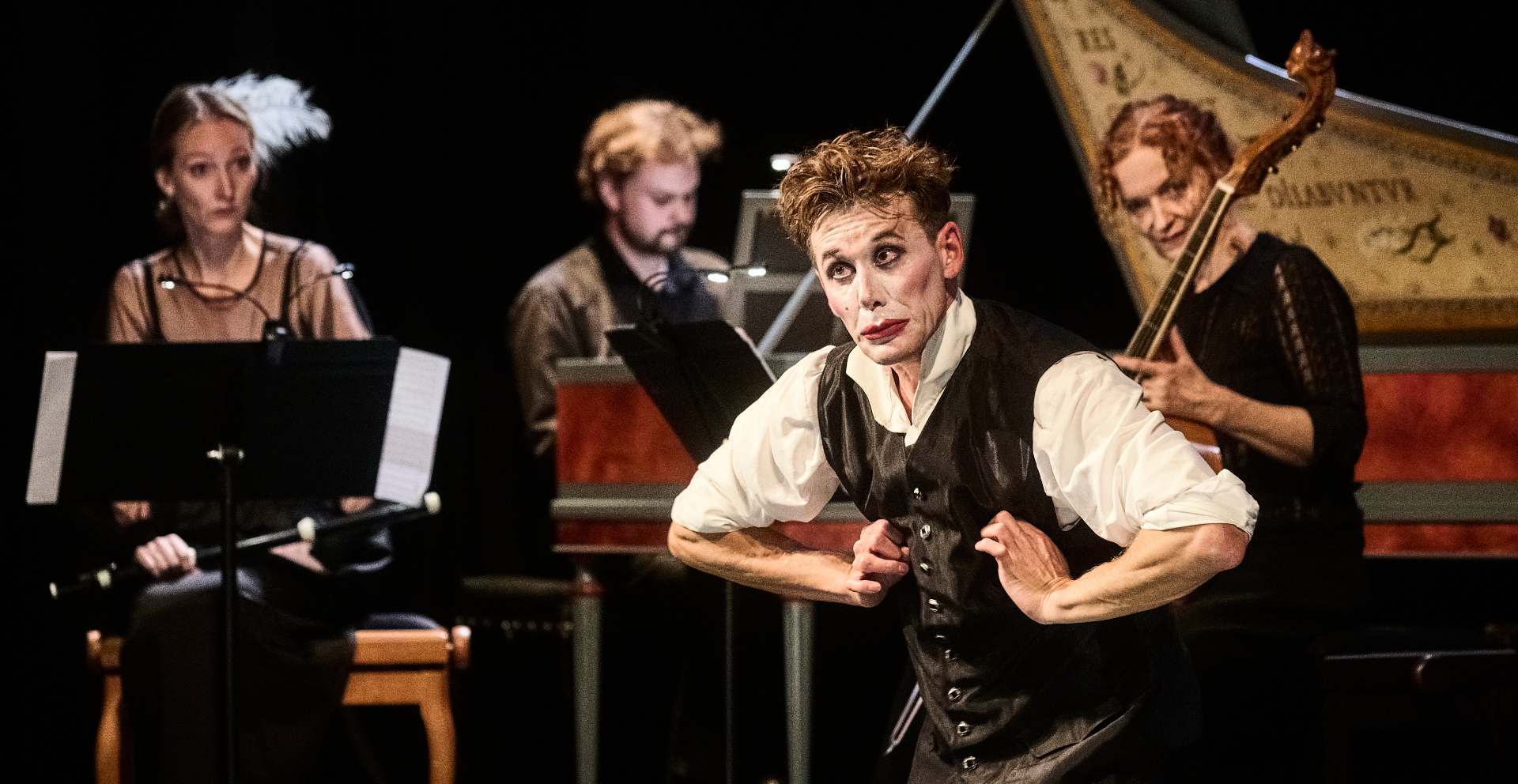
Through contemporary mime, Radim Vizváry sets out to enter Rameau's world. He does not portray a historical figure in period style; he looks for the man within — someone who stands apart from those around him, who seeks his own path, and whose genius goes long unrecognised. His body becomes an instrument responding to the music just as Rameau's own creative world did.
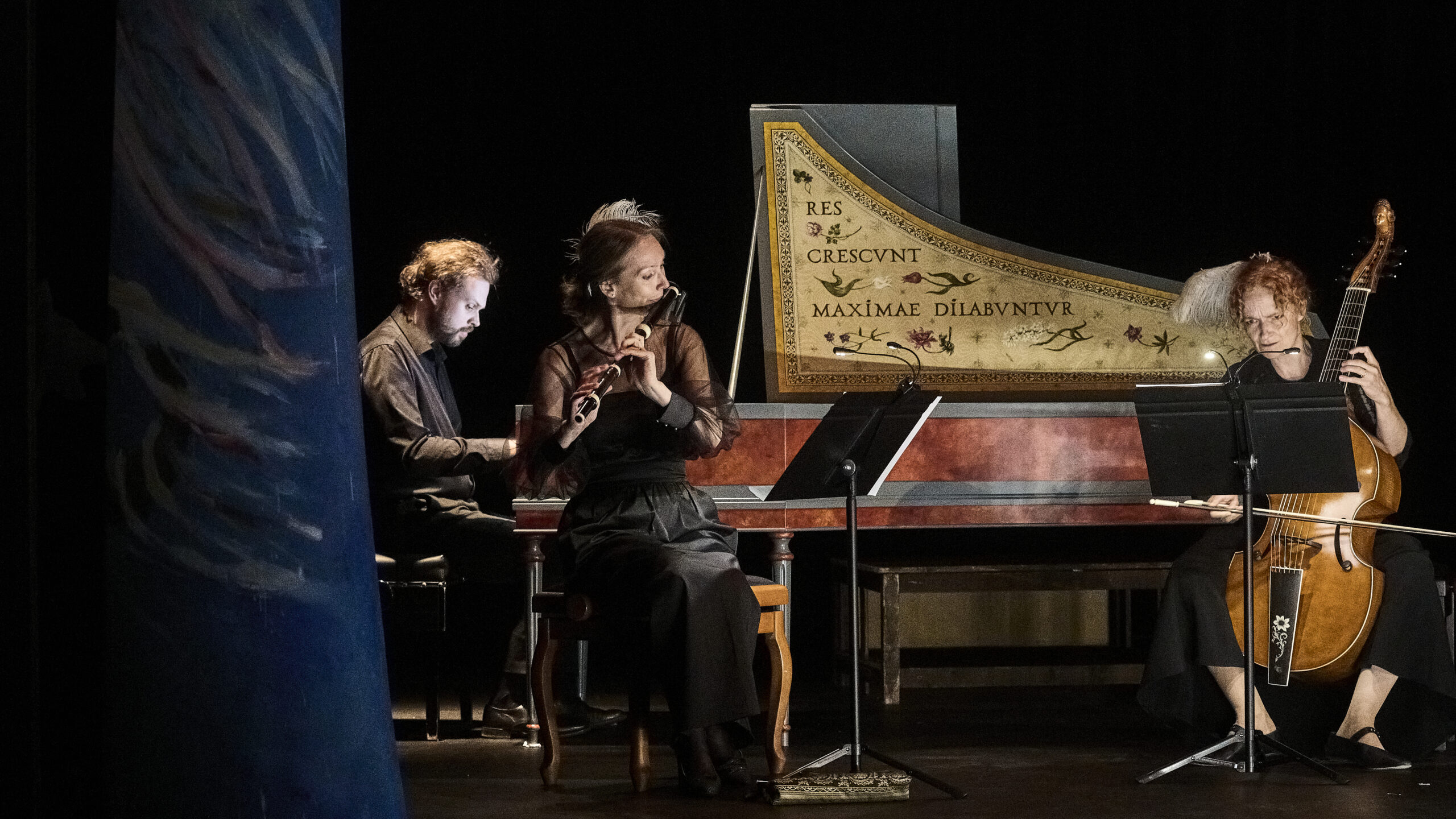
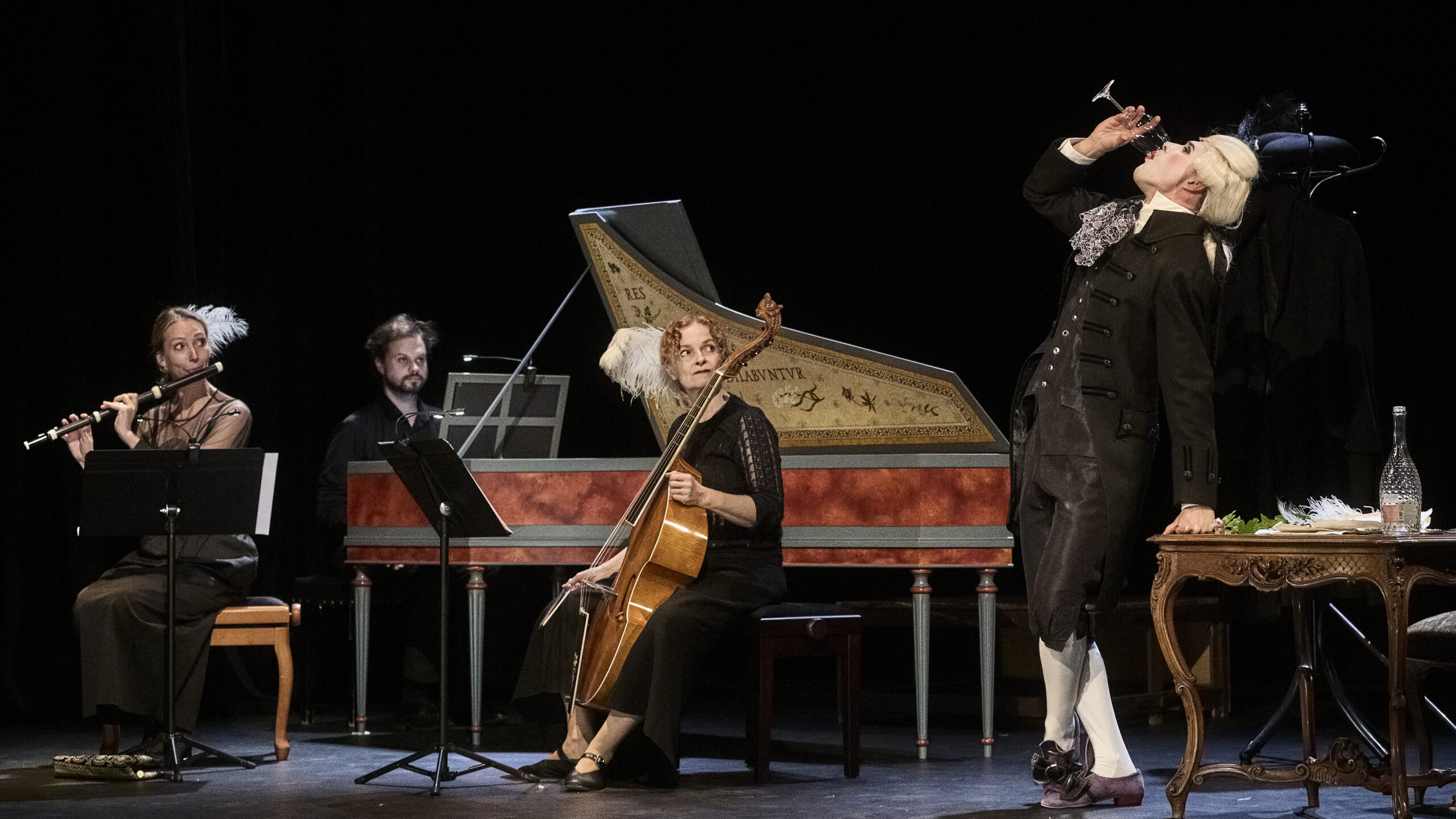
Together with Jana Semerádová, Hana Fleková and Jiří Havrlant, a dialogue of music and movement takes shape in which Rameau's life is mirrored in his compositions. From the young artist searching for his place, through the years of fame and success, to his later isolation and melancholy, a portrait gradually emerges of a man who was
ahead of his time.
Rameau's Pièces de clavecin en concerts, whose individual movements bear the names of people, places, moods and affects, offer an ideal space for mime theatre. Here the music is not an accompaniment but a partner to the living body. Tones become gestures, rhythm becomes movement, musical characters become figures on stage. Baroque music meets contemporary mime and opens a space where not everything needs to be said. Sometimes a gesture, a glance, a movement is enough — and the music begins to speak through the body.
Jean-Philippe Rameau (1683–1764)
La Pantomime (Pièces de clavecin en concerts, Concert No. 4)
La Marais (from Pièces de clavecin en concerts, Concert No. 5)
La Cupis (Pièces de clavecin en concerts, Concert No. 5)
La Forqueray
Air tendre (Les Fêtes d'Hébé)
Air pour la Rose (Les Indes galantes)
Gavottes pour les Heures et les Zéphirs (Les Boréades)
Le Rappel des Oiseaux ("The Birds' Call", Nouvelle Suite)
Air de la Folie "Aux langueurs d'Apollon" (Platée RCT 53)
La Poule ("The Hen", Nouvelle Suite)
Sommeil ("Sleep", Dardanus)
Les Sauvages (Les Indes galantes)
Tambourin I&II (Pièces de clavecin en concerts, Concert No. 3)
Air "Tristes apprêts" (Castor et Pollux)